How euShipments Helps E-shops Grow Across Europe and Uses FLOWii
Expanding e-shops into international markets comes with various challenges such as logistics, goods distribution, finding reliable shipping partners, and securing warehouse capacity. Without market knowledge and the right contacts, expanding abroad can be difficult for e-shops. euShipments helps many e-shops enter new European markets and improve delivery speed, thanks to its international network of warehouses and carriers. The company also relies on the FLOWii system to manage its operations efficiently. Learn more in our interview with the company’s manager and partner, Michal Helcman.
In our conversation with Michal Helcman, we also discussed:
why it pays off for e-shops to expand beyond local markets,
which European markets are attractive for e-shops aside from Germany,
the specifics of markets such as Greece, Romania, and Austria,
how the company manages its processes when a customer inquiry comes in,
what key data the company tracks in FLOWii for reporting purposes.
Own Transport Fleet and Strategic Local Warehouses
How do you help e-shops in the field of e-commerce logistics?
We provide both domestic and international e-shops with comprehensive services – from order processing, storage, packing, distribution, and international logistics to handling cash-on-delivery payments, claims, and returns.
By outsourcing logistics to us, e-shops can focus on what truly generates revenue – marketing and product optimization. They can dedicate more time to key business activities, scale their e-commerce operations, and save both time and costs related to logistics and staffing.
Who are your customers?
Our clients are small and medium-sized e-shops with a growing number of orders that want to scale and outsource their logistics to us. We offer cross-border delivery services to 27 European countries, supported by our own warehouses and a network of more than 60 local carriers. In each country, we cooperate with at least two or more carriers.
We also provide delivery options to home addresses as well as to various pick-up points and parcel lockers.
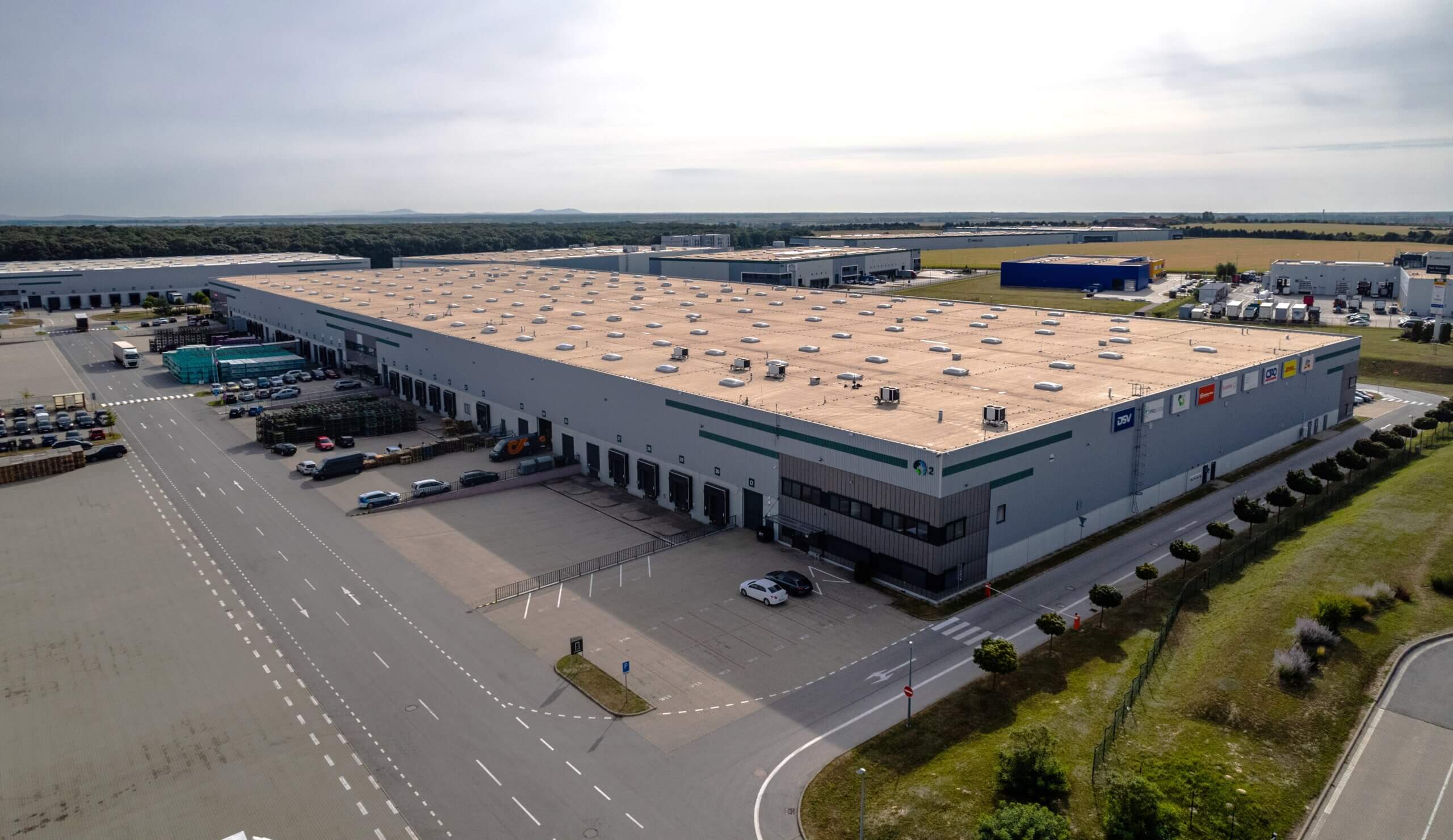
Thanks to our strategically located warehouses across different countries, we are able to ensure delivery and distribution to neighboring markets within 24 hours from a single warehouse. This allows many e-shops to efficiently cover five to six countries from one fulfillment center.
Can you provide an example of a specific e-shop that successfully expanded into new markets?
The e-shop Pick N Dazzle, operating in the beauty segment, needed to solve international product deliveries from Romania to Hungary a few years ago. Later, they transferred all their warehousing, pick & pack, and courier operations to us.
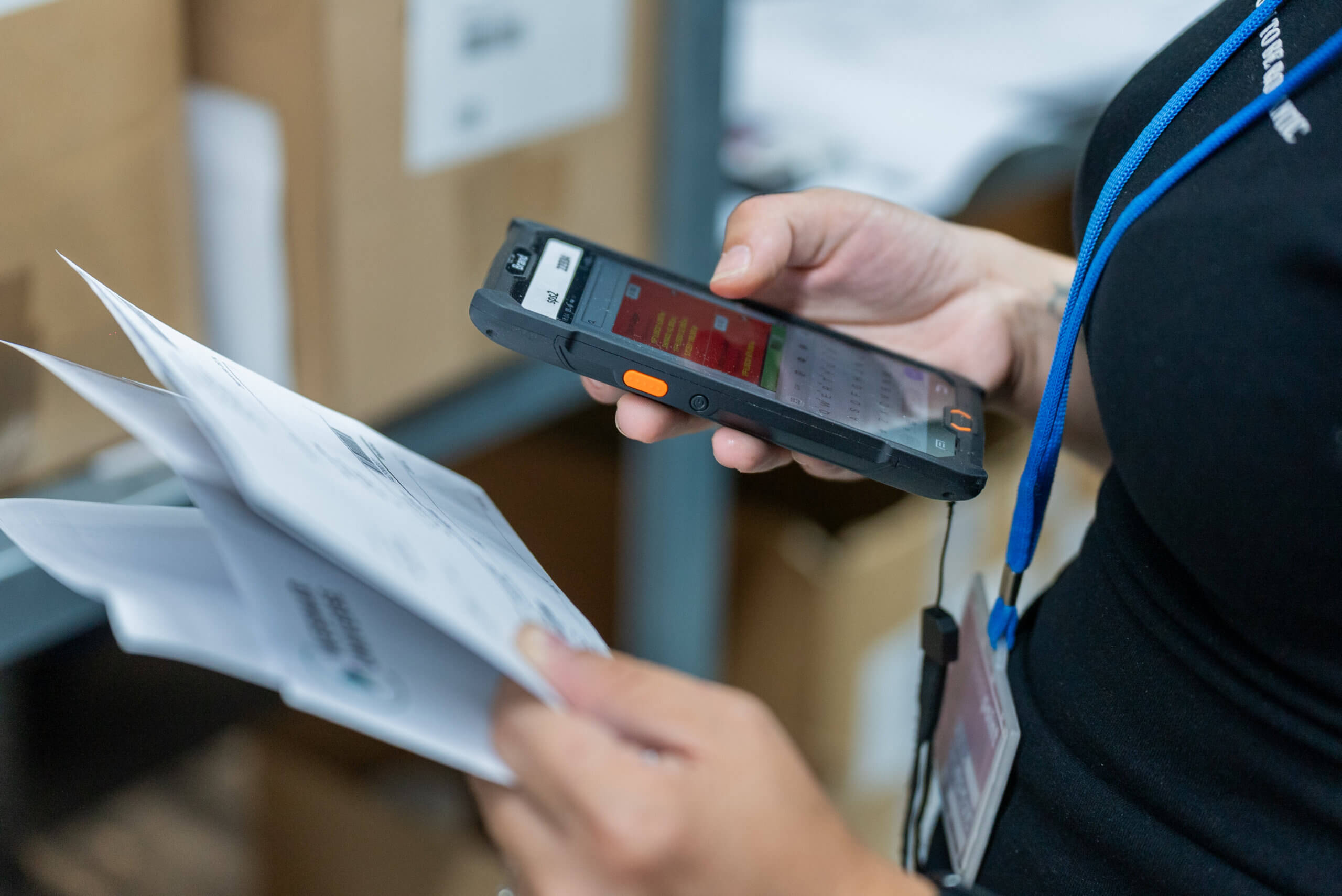
Previously, the company worked with one of the largest fulfillment providers in the region, but ultimately chose our faster and more cost-effective services. The e-shop uses our IT system, which ensures full product availability across markets, fast and accurate order processing, real-time tracking of order packing, and shipment tracking by couriers.
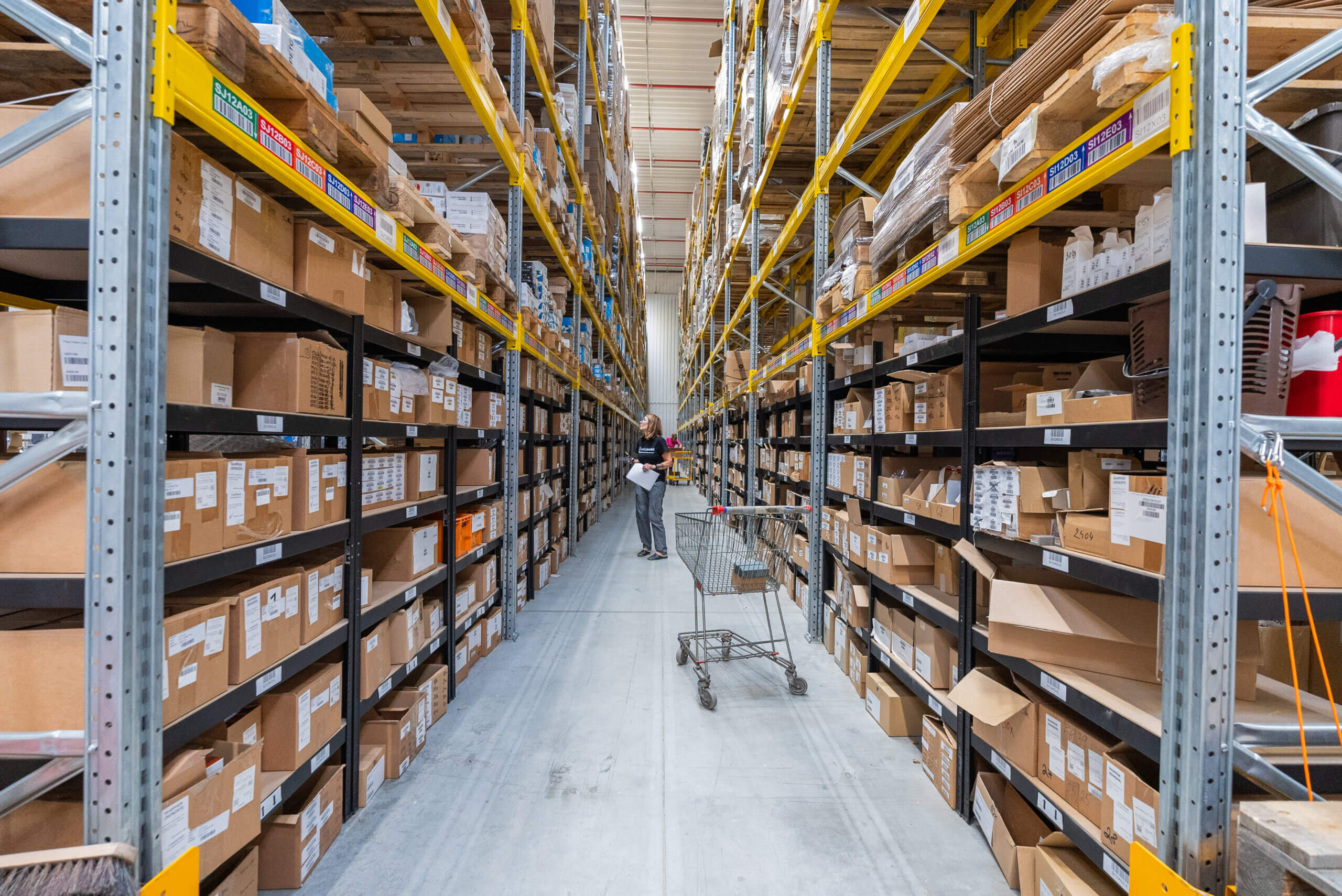
We focus on maintaining modern, clean warehouses and well-organized processes, which our clients highly appreciate. Today, we deliver Pick N Dazzle products across multiple countries, including the United Kingdom. In the past, they had to manage multiple courier providers on their own, which was time-consuming and inefficient.
Customized Pricing in FLOWii
How is your process set up when a customer decides to work with you?
The process is fast. We start with an initial consultation with each client, where we learn about their product portfolio, target countries, order volumes, and whether they offer cash-on-delivery payments. Based on this, we prepare a customized pricing offer in FLOWii.
If the client agrees with the proposal, we proceed with onboarding, digital contract signing, and account activation in our system. We then set up logistics, packaging methods, and cash-on-delivery processes.
Through a single API integration, the e-shop gains access to all fulfillment centers, carriers, delivery options, and returns management across more than 27 European countries.
What do you do when an e-shop starts growing and scaling?
We are ready to scale their operations immediately into additional markets:
The e-shop only needs to supply goods to another fulfillment center based on the target market, within the same system.
We handle local delivery, cash-on-delivery payouts in local currency, and returns processing according to local market standards.
The result is a fully localized customer experience without additional costs or operational burden for the client.
In which countries do you operate?
In addition to Slovakia, we have our own strategically located warehouses in Hungary, Romania, Bulgaria, Croatia, and Slovenia. We also use partner warehouses in Spain, Portugal, and Italy.
We primarily focus on the European market, which is large and highly attractive for many e-shops. We also operate in European countries that are not part of the European Union.
Collaboration with hundreds of domestic and international e-shops
Do you advise e-shops when they want to expand but are unsure which market to enter?
Since we work with more than 700 e-shops, we understand the specifics and customer behavior across different countries and have access to relevant data. We can recommend which markets are most suitable, where it makes sense to start, and which carriers are preferred.
We have deep insight into local market conditions and customer behavior. While many businesses aim to expand into Germany and Western markets, there are also other highly attractive opportunities worth considering.
Which markets are attractive for e-shops?
Poland is a large market. E-commerce in the Balkan countries is growing rapidly, and these markets are highly dynamic. We hear this at industry events and see it reflected across various forums. Many companies that have expanded into the Balkans have experienced year-on-year growth in the hundreds of percent.
E-commerce challenges
What makes certain countries specific in terms of customer behavior?
Each country has its own specifics that should be understood before entering the market. Greece, for example, has slower delivery times, but local customers are accustomed to this. At the same time, a higher return rate should be expected.
Romania is a very strong e-commerce market. Customers are used to online shopping, which creates opportunities for expanding e-shops.
Austria is a market where e-commerce growth tends to be slower. Customers are generally more cautious, and slower initial order growth can be expected.
What challenges do e-shops face in e-commerce? Is there a risk of decline or a return to brick-and-mortar stores?
There is no visible shift back to brick-and-mortar retail. Today, there are many e-shops, and new ones continue to emerge.
The bigger challenge comes from Asian marketplaces such as Temu and AliExpress, which flood the European market with large volumes of products and compete aggressively on price. Some e-shops are already feeling the impact, depending on the type of products they sell.
E-shops today need to be flexible and efficient. One of the key challenges is delivery speed and product availability. Customers no longer want to wait two weeks as they once did — they expect fast delivery, ideally within 24 hours.
As customers increasingly prefer not to coordinate directly with couriers, the share of PUDO (pick-up/drop-off) solutions is growing. The use of pick-up points and parcel lockers is on the rise, as they allow customers to collect their orders conveniently on their way from work or while running errands.
What challenges do e-shops face in e-commerce? Is there a risk of decline or a return to brick-and-mortar stores?
There is no visible shift back to brick-and-mortar retail. Today, there are many e-shops, and new ones continue to emerge.
The bigger challenge comes from Asian marketplaces such as Temu and AliExpress, which flood the European market with large volumes of products and compete aggressively on price. Some e-shops are already feeling the impact, depending on the type of products they sell.
E-shops today need to be flexible and efficient. One of the key challenges is delivery speed and product availability. Customers no longer want to wait two weeks as they once did — they expect fast delivery, ideally within 24 hours.
As customers increasingly prefer not to coordinate directly with couriers, the share of PUDO (pick-up/drop-off) solutions is growing. The use of pick-up points and parcel lockers is on the rise, as they allow customers to collect their orders conveniently on their way from work or while running errands.
FLOWii as an Essential Part of Business
How did you come across FLOWii?
A few years ago, we were looking for a suitable CRM system that would be local and offer strong, fast customer support. We didn’t want a complex, overly robust system and wanted to avoid heavy customization. We explored several applications and evaluated what solutions were available on the market.
We carefully considered the advantages and disadvantages of different CRM systems. FLOWii CRM met our requirements — it offers everything we need for our business while remaining affordable and easy to use.
How do you use FLOWii in your company?
We use the CRM system to build and manage our contact database and customer relationships. We maintain detailed records of our customers and partners, with access shared across our team.
In addition to customer management, we also use FLOWii for invoicing, document management, and reporting.
How is your internal process set up when you receive a customer inquiry?
Once we receive a customer inquiry, we enter it into FLOWii.
We create the client profile in the CRM and immediately prepare a customized price offer directly in the system.
We then track the entire sales opportunity within FLOWii.
If the deal is successfully closed, we proceed with onboarding the customer. FLOWii significantly speeds up the entire process.
Within the CRM system, we have all warehousing and shipping services preconfigured by country.
We also monitor active deals, invoice due dates, and the complete history of communication with clients.
You mentioned that you also use FLOWii for invoicing and reporting.
In FLOWii, we create and manage invoices, as well as price quotes, and we use it for reporting.
Within reporting, we monitor:
the status of sales opportunities,
company activities,
new inquiries,
and invoice payments.
We also regularly use document exports for accounting purposes.
By integrating FLOWii with the Signi digital contract signing system, we aim to further streamline our onboarding process. FLOWii is a tool that we can flexibly adapt to our company’s needs and use to manage a significant part of our operations.
What types of reporting do you use in your company with FLOWii?
Thanks to CRM data, we report on:
the current status of the sales cycle,
the status of ongoing projects,
invoicing and payment statuses,
and various other activities related to company operations.
How else does FLOWii help you?
In addition to fulfillment, we also provide forwarding services — shipping solutions for companies that do not require full fulfillment services or minimum shipment volumes. This involves arranging the transport of goods from the place of purchase to the customer’s country of residence.
We manage these processes in FLOWii — including offer management and customer management.
Petra Nagyová
Communication Consultant | Writer | Mentor
Petra Nagyová is a communication consultant, mentor, and copywriter with over 15 years of experience in content marketing. For FLOWii, she interviews people from companies and shares their business stories, focusing on how CRM and FLOWii solutions help them in practice. In the past, she contributed to the marketing book Levosphere – Marketing in Practice. In her work, she naturally connects brand storytelling with clear value for readers.